Silk Amino Acids in Cosmetics: Applications & Benefits for Skin and Hair
Silk amino acids are emerging as highly sought-after functional ingredients in the personal care industry. Derived from the hydrolysis of natural silk proteins, these small molecular peptides deliver exceptional performance in skincare and haircare formulations due to their moisture-attracting ability, lightweight texture, and compatibility with diverse cosmetic systems.
What Are Silk Amino Acids?
Silk amino acids are water-soluble peptides obtained by breaking down silk proteins — primarily sericin and fibroin — into shorter amino acid chains. Their low molecular weight allows them to penetrate the surface layers of skin and hair, enhancing hydration and delivering a refined sensory experience.
Key Specifications
| CAS |
96690-41-4 |
| Amino Acid |
≥90% |
| EINECS No |
306-235-8 |
| COSING REF No |
37698 |
| Appearance |
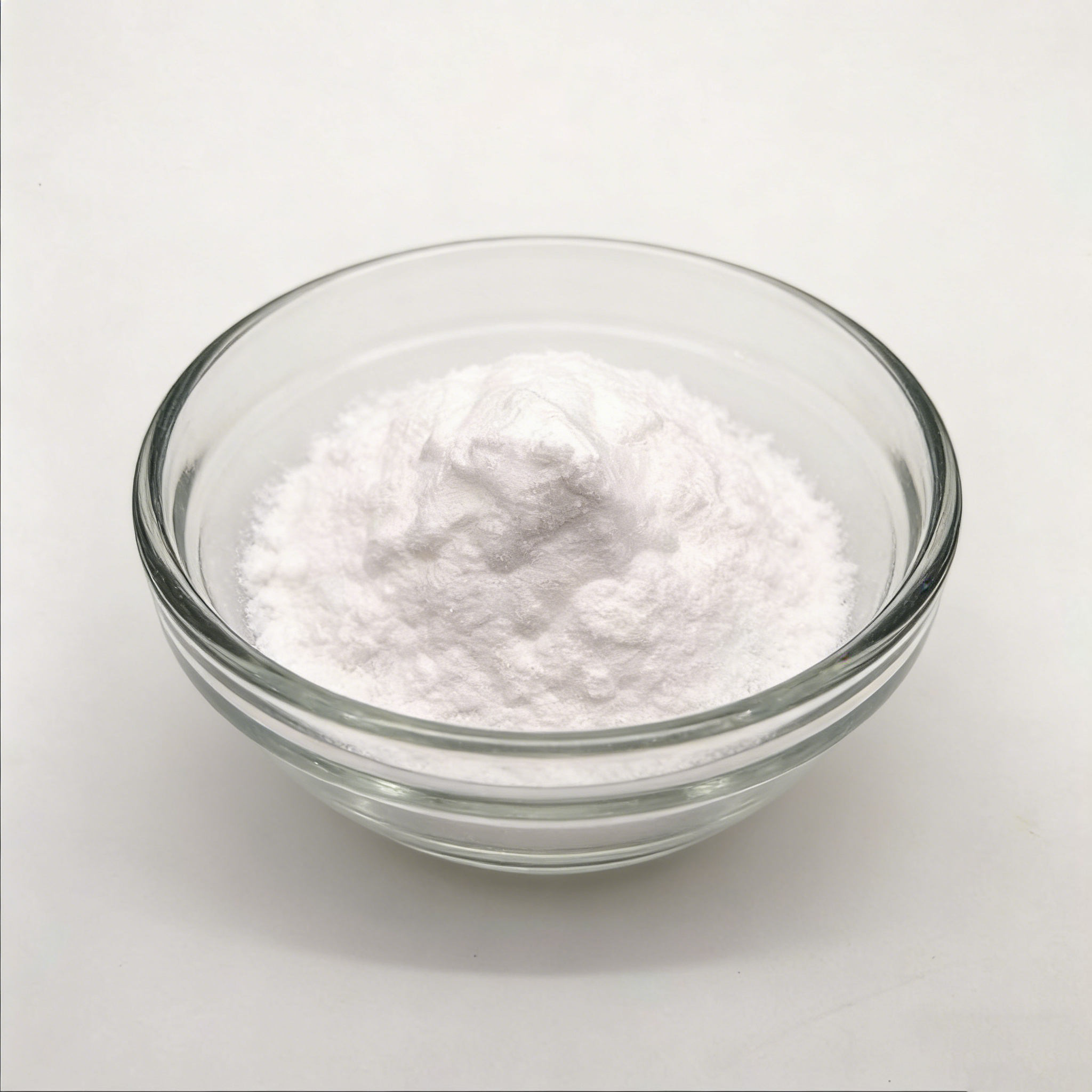
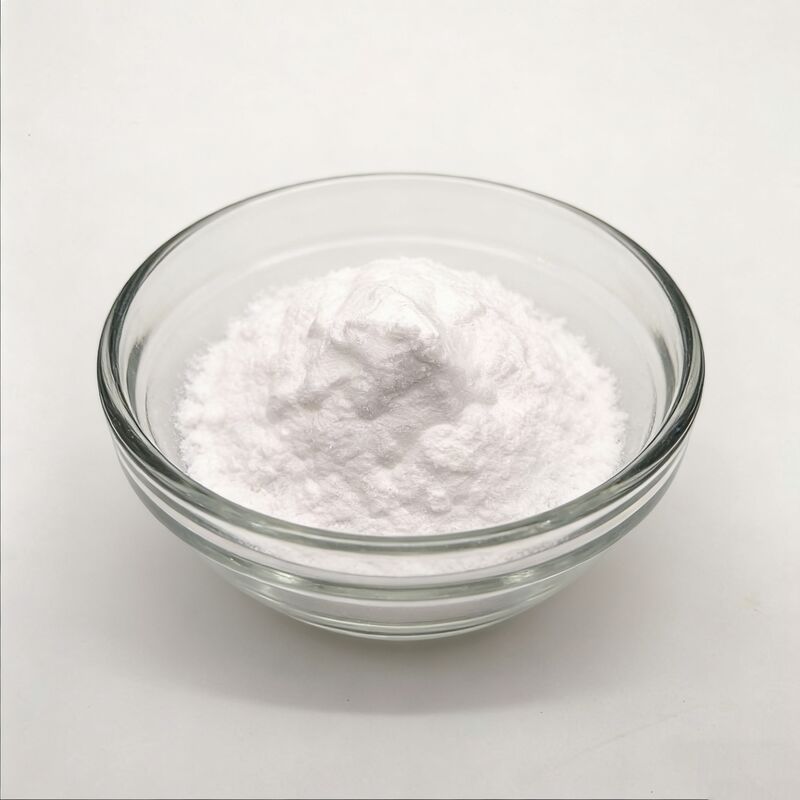
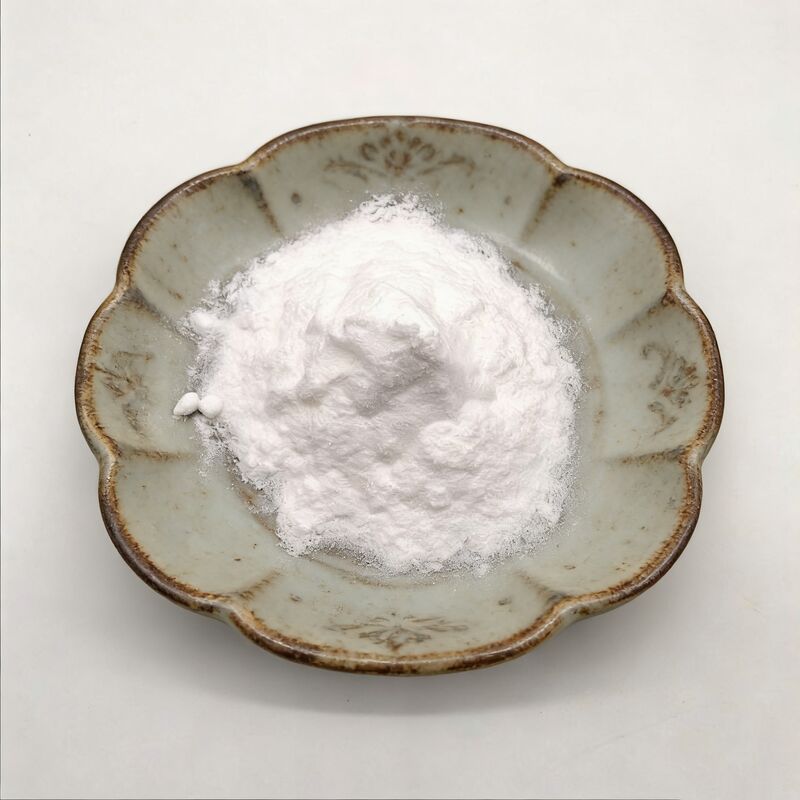
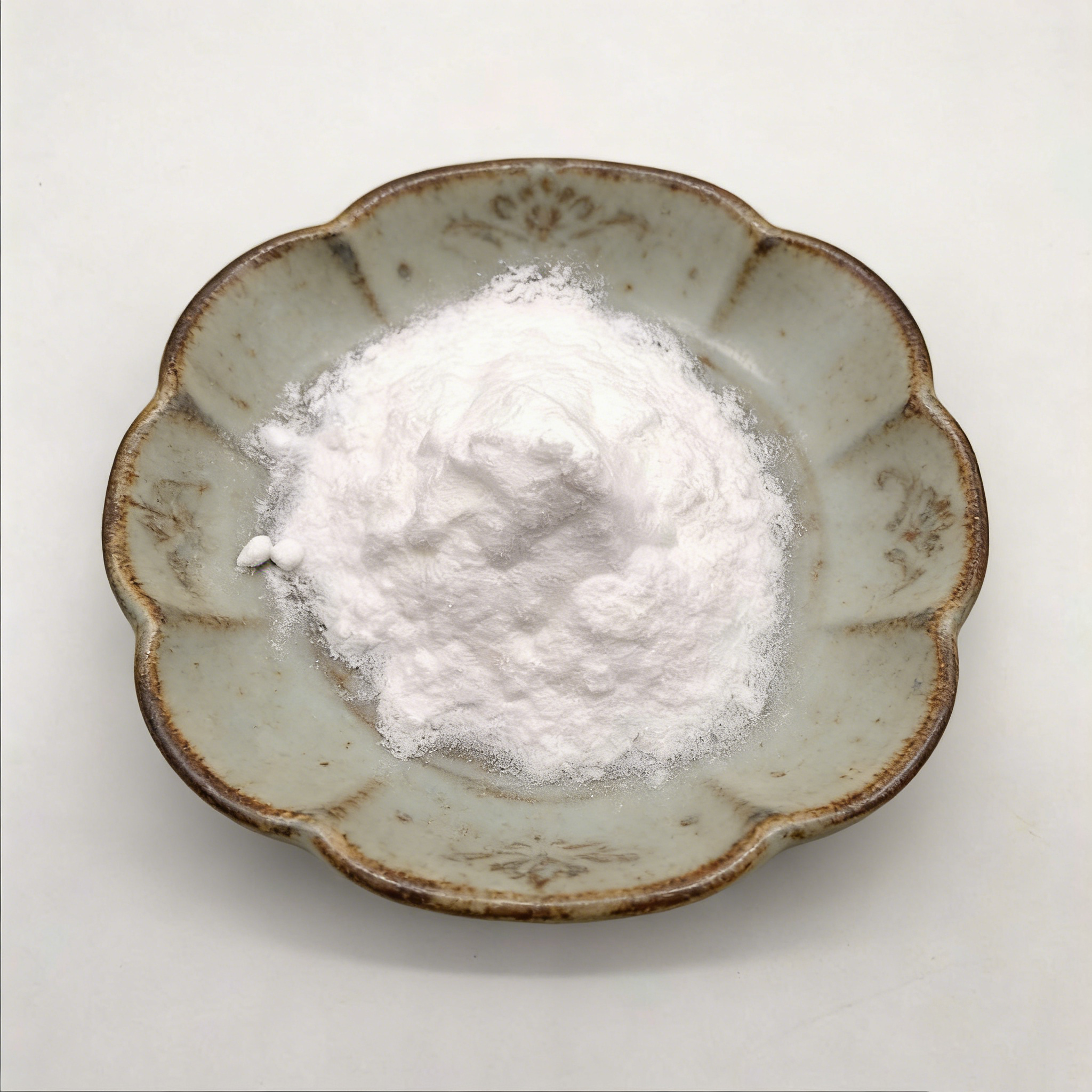
White Powder |
| pH |
5.0~7.0 |
| Solubility |
100% soluble |
| Total nitrogen |
≥14.5% |
| Package |
20KG/Bag |
| Crystalline water |
None |
Core Benefits in Cosmetics
1. Intensive Hydration & Moisture Retention
One of the most important properties of silk amino acids is their hygroscopic nature, which means they attract water molecules and help reduce transepidermal water loss, supporting sustained hydration in both skin and hair.
2. Enhanced Skin Texture
By forming a semi-occlusive film on the skin’s surface, silk amino acids help maintain natural moisture levels while imparting a silky, smooth feel. This can improve skin softness and overall texture, making products more appealing to consumers.
3. Conditioning Hair Properties
When included in haircare formulations, silk amino acids can bind with keratin in the hair shaft, helping to improve manageability, shine, and resilience. Their film-forming behavior also contributes to reduced frizz and increased softness.
4. Lightweight and Gentle Profile
Silk amino acids are known for their gentle and non-irritating behavior, making them suitable for a wide range of skin types, including sensitive skin when properly formulated.
Common Cosmetic Applications
Silk amino acids are highly versatile and can be included in many product categories:
Skin Care Products
Moisturizers and Creams: Enhance hydration and smoothness.
Serums and Toners: Improve feel and moisture barrier support.
Masks and Treatments: Deep conditioning and surface enhancement.
Hair Care Formulations
Shampoos & Conditioners: Strengthen hair fibers and reduce breakage.
Leave-in Treatments & Masks: Offer shine, softness, and improved texture.
Color & Decorative Cosmetics
Silk amino acids can be incorporated into foundations, lipsticks, mascaras, and other makeup, contributing conditioning and feel benefits alongside aesthetic performance.
Formulation and Usage Considerations
Concentration: Typical usage levels range from 0.2% to 5% in final formulations depending on product type and desired effect.
Compatibility: Silk amino acids blend well with humectants, emollients, and peptides, enhancing formula complexity without heaviness.
Cosmetic-Grade Quality: Purified cosmetic grades offer better solubility, skin compatibility, and safety, making them ideal for high-performance products.
Safety and Tolerance
Silk amino acids are generally considered safe and non-sensitizing for most skin types. They are biodegradable and eco-friendly when sourced responsibly, aligning with clean-beauty and sustainability trends. Nevertheless, individuals with extreme sensitivity should always conduct a patch test before full application.
Keywords
- silk amino acids cosmetics benefits
- silk amino acids skincare applications
- hydrolyzed silk peptides for skin hydration
- silk amino acids hair care benefits
- cosmetic grade silk amino acids
- silk amino acid moisture retention ingredient
- hydrolyzed silk protein cosmetic uses
- best ingredients for skin and hair conditioning
- how silk amino acids improve skin texture
- water-soluble silk peptides in cosmetics


 Ваше сообщение должно содержать от 20 до 3000 символов!